Southland Ecological Restoration Network

Southland Ecological Restoration Network

A Network of Southland Community Conservation Projects

  • Home
  • Project Directory
  • Organisations
  • Events
  • News
  • About
  • Links
  • Contact

News

August • Te Wai Korari

From Pines to Natives Again for Motopohue/Bluff Hill

Following on from the great predator work and previous restoration plantings done by the Bluff Hill Motopohue Environment Trust, this year sees a stepping up in reclothing the iconic hill in our native forest species. With funding from the national charity, Trees that Count for the propagation of plants by local iwi group Te Tapu o Tane, 50,000 trees will be grown and planted over the next two years - a major step forward. People are invited to take part in a special planting event at Bluff Hill on 10th September, one of a series of nationwide events in honour of the Queen’s Platinum Jubilee. Check it out on their Facebook page at https://www.facebook.com/BHMET/.

Posted on: Thursday, 1 September 2022

Manaaki Whenua - Landcare Research and Predator Free Rakiura collaborating on world-first predator eradication project

On 5 July 2022 representatives from Manaaki Whenua - Landcare Research and Predator Free Rakiura signed a significant research partnership agreement worth a joint $2.8 million over 4 years to work together towards ridding Rakiura/Stewart Island of all major predators - possums, rats, feral cats and hedgehogs.

A predator eradication project of this combined size and complexity has never been attempted before. It will be the biggest island predator eradication ever attempted globally and will also be a world-first predator free project on an inhabited island. Rakiura is around 180,000 hectares in size and has a population of 400 permanent residents. As a haven for native species, a predator-free Rakiura will protect these taonga for generations to come and enable nature and community to thrive.

Posted on: Wednesday, 6 July 2022

Southland Environmental ‘Action on the Ground’ Folk Honoured.

SERN’s heartiest congratulations go to Estelle Leask, Bluff and Mark Sutton, Te Anau on their recent MNZM awards for services to conservation. Both will be well known to members of the SERN community, having been involved in field days we have had in the past.

Estelle is a main driver of the Bluff Hill/Motopohue Restoration project and more recently been involved in the establishment of Te Korowai Whakahou plant nursery. Beyond her local area, she has also been instrumental in Predator Free projects for Rakiura and Auckland Island, a trustee on the Whenua Hou Komiti and a member of the Southland Conservation Board.

Mark led our 2021 Spring Field Day through the lower Waiau, highlighting the amazing work he’s been involved in as a manager with the Waiau Trust, along with being the QEII National Trust representative for the Waiau Catchment. Mark developed his love of wetlands, and what lives in them, from his father, Roger Sutton, another well known environmentalist in Southland through the 1970’s to early 2000’s. Interestingly Roger was awarded an MBE 36 years ago in the Queen’s Birthday Honours list! Mark’s focus is on habitat creation and land management to improve wildlife outcomes and water quality.

Posted on: Tuesday, 14 June 2022

Titiroa Catchment Group looks at Biodiversity on Farm

On Friday 13th May, the Titiroa Catchment Group will welcome professor David Norton, a leading biodiversity expert, to help them explore their catchment and local bush blocks. David has a passion for supporting communities to look after and establish biodiversity on farm.

Join us to understand what biodiversity really means and what we have in the Titiroa catchment. There will be a catchment tour, a chance to explore some bush, and discussion about on farm management. The Environment Southland biodiversity team will also be joining us to talk about current funding support and local biodiversity projects.

If you would like to join this event, please contact Sandra Campbell, Thriving Southland Eastern Co-ordinator at 021 400 431 or email [Enable JavaScript to view protected content]

Posted on: Saturday, 23 April 2022

Predator Free Backyard Communities Funding - Applications Open

Predator Free NZ - Backyard Communities Funding

APPLY NOW

Funding applications are now open for community groups that manage introduced predators in backyards. Please read all criteria before submitting an application.

About the programme

We select outstanding predator free backyard communities from around the country and give them funding to purchase trapping equipment. We also offer these groups ongoing support, information and advice.

Our goal is to have a trap in every 5th backyard in towns, suburbs and neighbourhoods in Aotearoa New Zealand who want to make their community predator free.

Who can apply?

To be eligible to apply for funding, initiatives must:

  • Be a backyard community group
  • Focus on trapping in backyards
  • Be based in a suburb or town, or a community of rural houses clustered together
  • Target any of the following: rats, stoats, ferrets, weasels or possums.

Backyard community groups are encouraged to include schools, marae and other community spaces, such as community and scout halls, bowling clubs and RSA’s.

This programme does not cover funding for:

  • Reserves and bush blocks on council or Department of Conservation land
  • Lifestyle blocks
  • Farms
  • Commercial land (i.e. shops).

Applications open 16 February and close 9 March 2022.

What we’re looking for

Your application will have the best chance of success if your initiative:

  • Will have a significant impact on your local community
  • Has progressed beyond concept stage, or you have taken substantial action towards setting up your backyard community group (i.e. you’ve rallied your neighbours and got their support, held a community meeting, have quotes for equipment, etc)

How much funding could we potentially receive?

Successful applicants will receive between $1,000 and $5,000.

The amount you receive will depend on the size of your backyard community group and what you are trying to achieve.

What can funding be used for?

Funds can be used for:

  • Pre-trapping accessories such as chew cards, tracking tunnels, etc
  • Traps and pre-made tunnels
  • Building supplies for making tunnels (if required)
  • Advertising & marketing materials and some event costs (by negotiation)

We provide account management services to successful communities, including purchasing and supplying products.In New Zealand, trap use is regulated by the Animal Welfare Act 1999. All traps available under our programme have met trap-testing guidelines.

What other support will we receive?

In addition to funding, we can help you facilitate and set-up your predator free backyard community programme – as needed.

Support may include:

  • Enabling you to organise community meetings
  • Setting up a Facebook page
  • Account management services
  • Providing support materials

We work with successful communities to figure out the best support for them.

When do funding applications close?

Applications for this round of funding close on Wednesday the 9th of March. Winners will be announced by Monday the 11th of April.

Posted on: Monday, 21 February 2022

Prev page
Page 11 of 30
Next page
Haumuri/Croydon Bush and Dolamore Park boundaries.

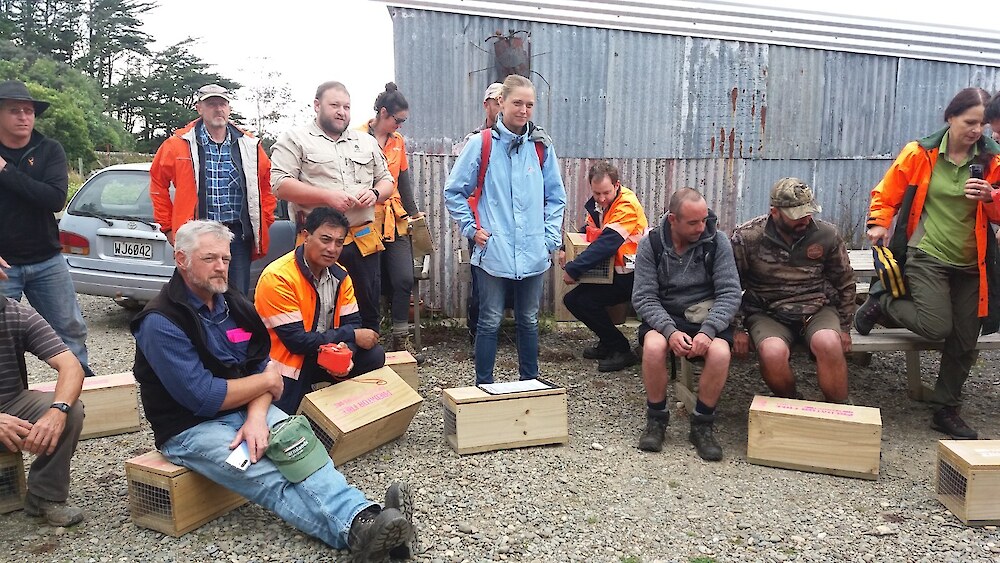
Haumuri (Croydon Bush) – Volunteer Trapping Programme

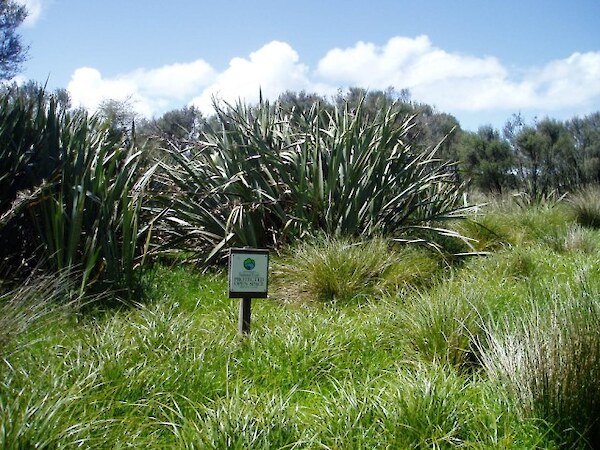
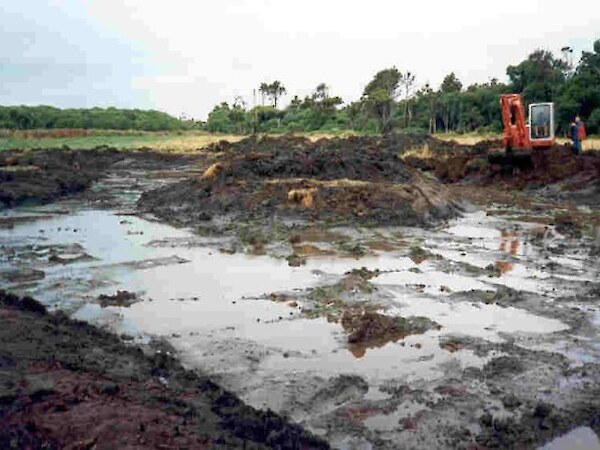
Ponds were created to improve whitebait spawning grounds. Flax was planted following pond excavation.

Te Wai Korari Wetland, Riverton

Big Lagoon March 2008.

Big Lagoon

The pristine Wairaurahiri environment. An apparent paradise.

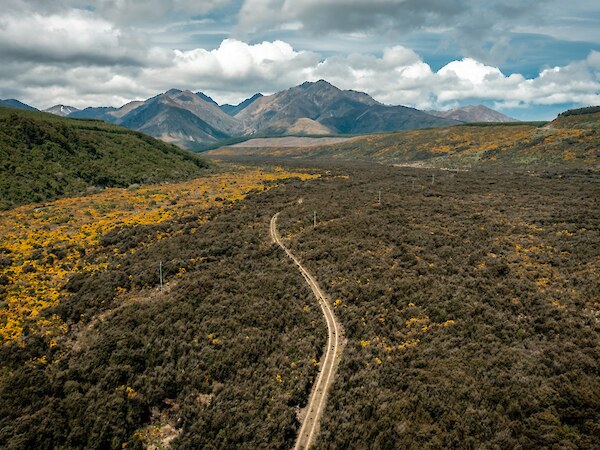
Wairaurahiri Stoat Trapping Project

© 2026 • Website by RS

Our Supporters

Invercargill City Council Environment Southland Department of Conservation Forest and Bird Southland Community Nursery
  • Home
  • Project Directory
  • Organisations
  • Events
  • News
  • About
  • Links
  • Contact