Southland Ecological Restoration Network

Southland Ecological Restoration Network

A Network of Southland Community Conservation Projects

  • Home
  • Project Directory
  • Organisations
  • Events
  • News
  • About
  • Links
  • Contact

News

April • Gore Refuse Site

Whitebait the Winners - Spring Field Trip Report

Looking from a carpark on Fishing Camp Rd, you can see numerous open water areas on the Waiau River valley flats below you. This area of land was purchased by the Waiau Habitat Enhancement Trust over a decade ago for the purpose of developing wetland areas for the breeding of our threatened native fish species, especially Galaxids and eels. Today there is about 30 ha retired for this development, over half of that ponds where whitebait and eels thrive. The Waiau Trust retain ownership of pasture lands as well and the baleage sold off this area covers the cost of maintenance of the retired area, regards gorse and broom control, as well as an intensive predator control programme. On Saturday 6th November this was the first stop for the SERN Spring Field Trip, which later visited Broadlands Bush and the Wairaki Oxbow, the latter being another important habitat for eels. To see more about the lower Waiau whitebait wetlands and the other sites, check out the event report at www.sern.org.nz/events/2021-sern-spring-field-day

Looking from Fishing Camp Rd across the flats of the lower Waiau River, where the Waiau Trust have developed habitat for whitebait and eels. These native fish are on the threatened species list due to loss of wetland habitat.
The SERN group looking towards Te Wae Wae Bay. The info board talks about the whitebait wetlands.

Posted on: Monday, 15 November 2021

Missing Megaherb Back on Mainland

1st May 2021 was an historic occasion. Bluff Hill Motupōhue Trust volunteers, under Chair Estelle Leask, and Southland Community Nursery volunteers translocated 45 Punui (Stilbocarpa lyallii) plants back onto the NZ mainland! Pūnui/bunawe is a taonga species to local iwi and has many traditional uses. It grows on southern offshore muttonbird islands associated with seabird colonies, but gets eaten by introduced animals and so declined early on the mainland of NZ. With extensive predator control being undertaken over many years Bluff Hill Motupōhue is a perfect place for its reintroduction. Check out the ODT article from the day at https://www.odt.co.nz/regions/southland/megaherb-punui-replanted

Bluff Hill Motupōhue Trust Chair Estelle Leask, and Southland Community Nursery's Chris Rance loading the Punui that had been propagated at the nursery for the Bluff Hill restoration project.
The punui, a megaherb, was lost from the mainland with the introduction of grazing animals.
Volunteers from the Bluff Hill Motopohue Trust and the Southland Community Nursery following the planting of the 45 megaherb Punui, returning another species to this special restoration area.

Posted on: Sunday, 30 May 2021

Southland Forest & Bird Celebrate Some Gains

At the recent Southland Forest & Bird (F&B) AGM, we heard from Fergus Sutherland, long time caretaker of their restoration project, Te Rere, that although the outcome for hoi ho was not good this last year, he was seeing more and more little blue penguins and titi along the coast on this F&B property. The same poor results were being seen for hoi ho right up the east coast, with concerns about pressure on feed species from fishing and increased disease occurring, these elements largely beyond the control of local F&B trying to help this penguin species. However as a result of the predator control and replanting that groups were undertaking, the one benefit becoming obvious has been increased numbers of little blue penguins breeding, along with the titi (muttonbird) being seen to be breeding on the mainland again. The other gain to be celebrated was at the F&B’s Lenz Reserve, near Tautuku, where intensive predator control was being undertaken through a project of the Dunedin F&B, assisted by the South Otago and Southland branches. The numbers of kaka and kerearea (falcon) were noticeably on the increase in this area. If you are interested in helping out with the restoration project at Te Rere, the next planting day will be in August. Watch SERN’s Events page for more information.

Posted on: Monday, 17 May 2021

Upskill on your Predator Control

Predator Free NZ and Environment Southland are hosting an evening with Cam Speedy, a wildlife biologist with over 40 years experience in predator control on 17th May. The control of predators, often in urban situations, is making a huge difference to our native species, our birds especially. Our local groups work at Bluff, Oban and Otatara, has resulted in species like kakariki, kaka, kereru, ruru, along with the engaging robin, being seen as you go for walks around these areas. If you’re interested in knowing more about predator control or improving your technique, then this is a must do event. Check it out under Events on our SERN website and register now!

Posted on: Wednesday, 21 April 2021

Pomona Island's Covid Challenges

The inability for the Pomona Island Trust volunteers to maintain their regular pest control duties through the Covid lockdown resulted in the explosion of rat numbers through the autumn.

Full credit to those involved in this project who with the lift of lockdown swang in to action and through many dedicated volunteer hours have reduced the rat numbers to almost achieve rat free status again. An amazing effort.

Read more about Pomona Island news in the latest newsletter (PDF, 1.25 MB).

Posted on: Friday, 22 January 2021

Prev page
Page 12 of 29
Next page
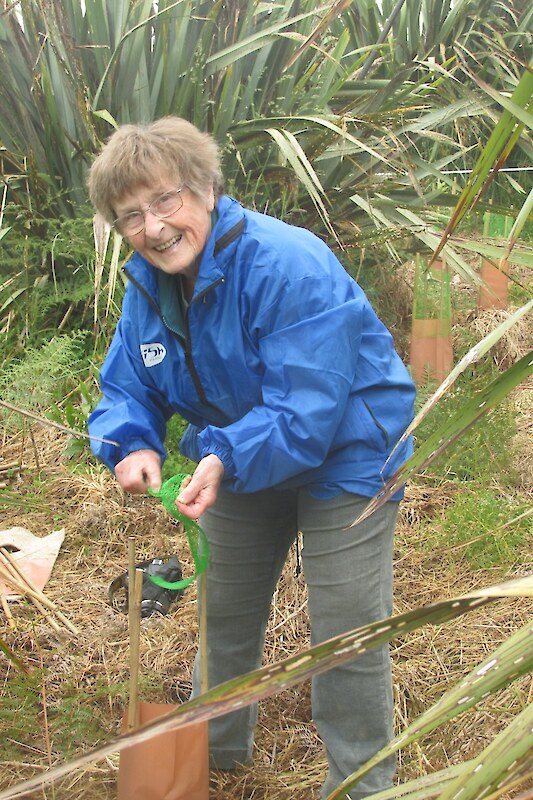
Trapping for stoats is the major goal of those involved in the Valleys Project, here in the Irene Valley.

The Valleys Project

2017 September. Restoration plantings undertaken near the new information centre site.

Curio Bay Restoration

Combined Rotary Clubs involvement in planting thousands of native plants over the closed landfill site. (2007).

Invercargill Estuary Walkway

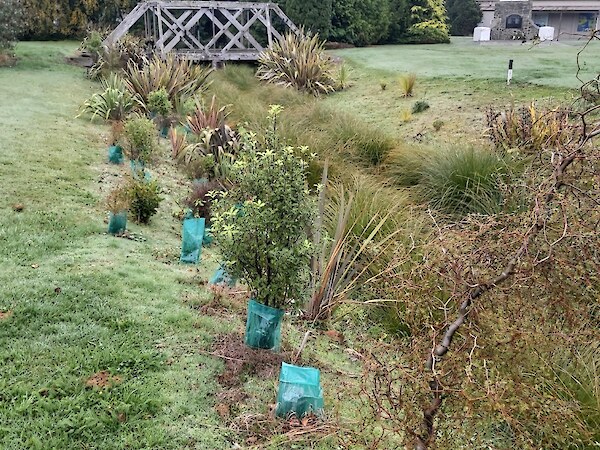
Plantings have been undertaken along the south side, with flax and cabbage tree being the main species used.

Otatara Scenic Reserve

© 2026 • Website by RS

Our Supporters

Invercargill City Council Environment Southland Department of Conservation Forest and Bird Southland Community Nursery
  • Home
  • Project Directory
  • Organisations
  • Events
  • News
  • About
  • Links
  • Contact