Southland Ecological Restoration Network

Southland Ecological Restoration Network

A Network of Southland Community Conservation Projects

  • Home
  • Project Directory
  • Organisations
  • Events
  • News
  • About
  • Links
  • Contact

Project

April • Gore Refuse Site

O'Neill's Bush, Mataura Floodplain

Location:
Titiroa
Region:
Eastern Southland
District:
SDC
Commenced:
2000
Access:
Open
Area (ha):
4
Contact:
Mike Hargraves
Email:
[Enable JavaScript to view protected content]

Description

Largely a remnant lowland podocarp forest dominated by totara, kahikatea, pokaka & miro trees surrounded by diverse range of indigenous vegetation which includes manuka, Tī Kōuka, narrow-leaf mahoe & Patē (Seven Finger). Restoration planting around the edges along with pest plant control is slowly enhancing these valuable ecosystems. Possum, mustelid and rat control is ongoing. A section of replanting extending the forest to the roadside was completed in 2024. Tui, korimako (Bellbird), kererū, pīwakawaka (Fantail) & tīrairaka pango (Black Fantail) are regularly sighted. Public access with good parking, a nice, easy track to the south end, recently upgraded by the Lions Club to assist whitebaiters accessing the Titiroa streamside.

Historic involvement

Gorge Road School, Tokanui School and Waimahaka School, Southland Community Nursery.

Current involvement

Environment Southland, QEII.

2020 SERN spring field trip. Mark Oster, Environment Southland, talks about recent revegetation plantings. He expresses his concern about all the plastic ending up in the environment with tree surrounds.
By 2008 the school's restoration plantings are getting well established.
NZERN Trip Nov 2007.
Anna, Gorge Road School,planting a seedling back in to O'Neill's Bush.1.
Tokanui School pupils potting seedlings gathered off the track for planting back in to O'Neills Bush once they're bigger.
ES Biosecurity Officer Randall Milne next to trial Chilean flame creeper control with metsulfuron base spray.
Successful holly control with excellent natural regeneration around the now dead holly.
Two of the resident black fantails having a rest
Cardboard alternatives for tree protection are now coming on the market and will be much more environmentally friendly.
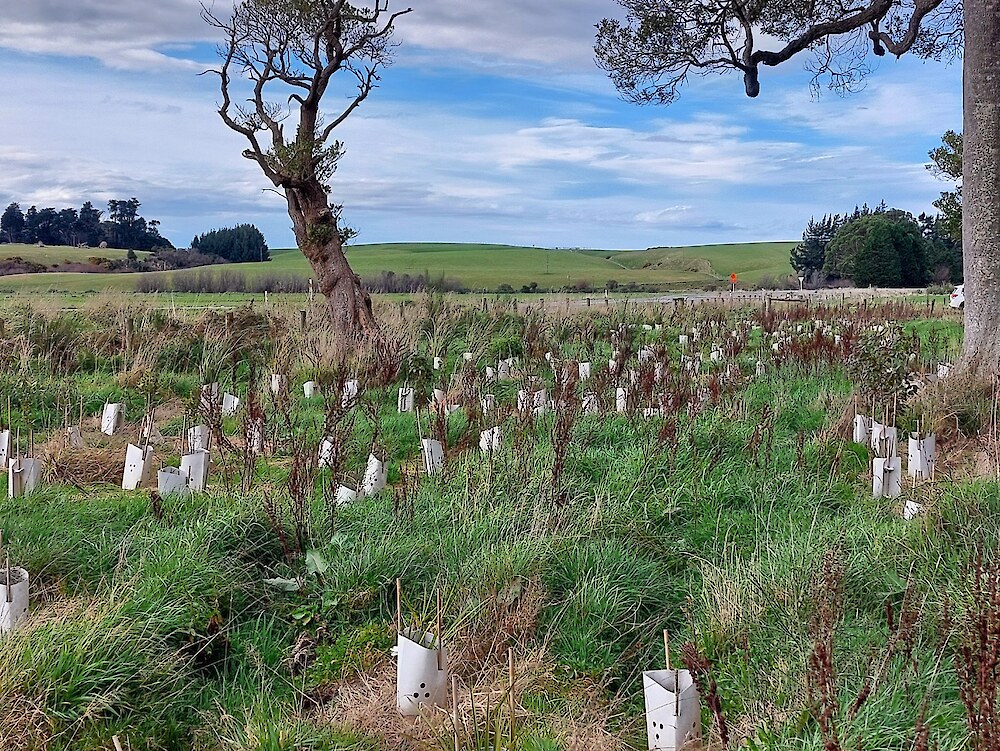
2023 Plantings undertaken on the south side of the block
2025 For quick establishment and minimal maintenance, flax and toi tois are the natives to use. 2 years after planting.
2023 Plantings from the north forest edge to the road help to make this forest remnant more resilient.
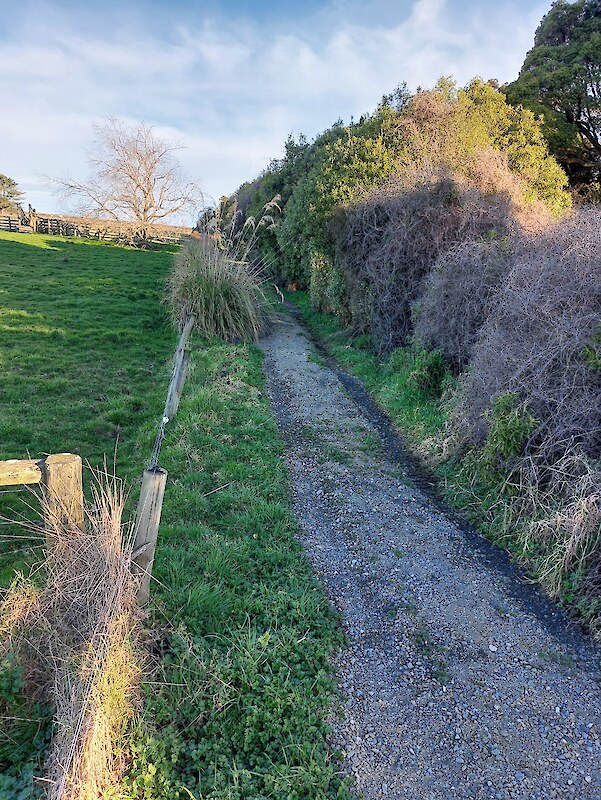
2025 Thanks to the Toe Toes Tokanui Lions Club, there is a good gravel track for whitebaiters to use on the east side of the bush.
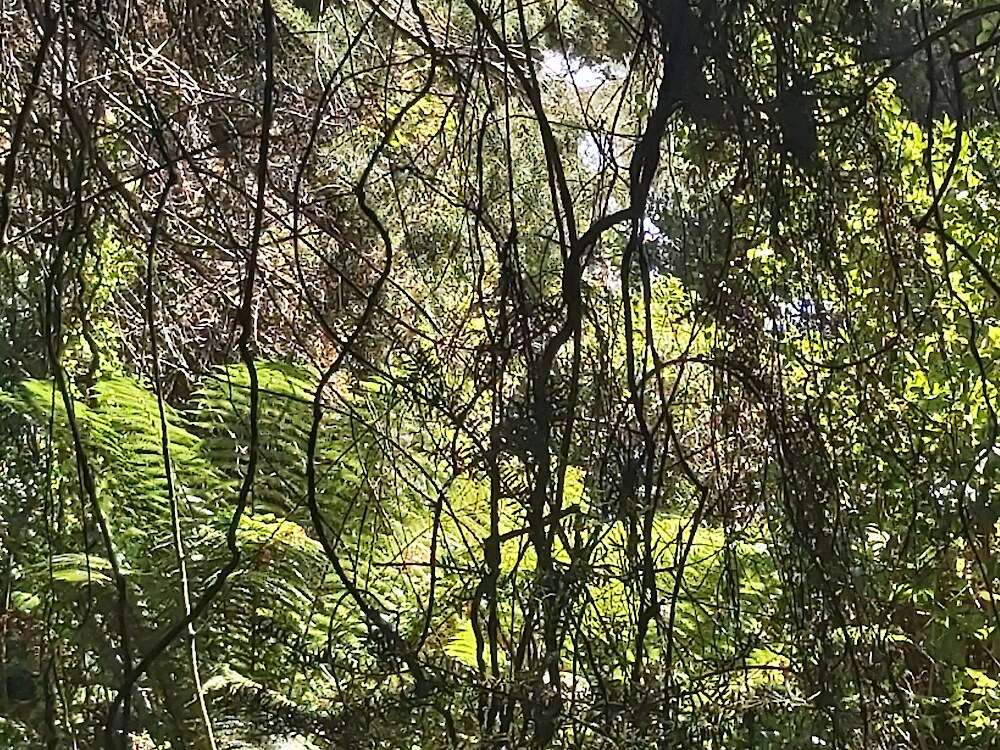
Meulenbeckia vines, or are they? Cutting out vines like this may result in the loss of Clematis or native jasmine species, so better left alone.
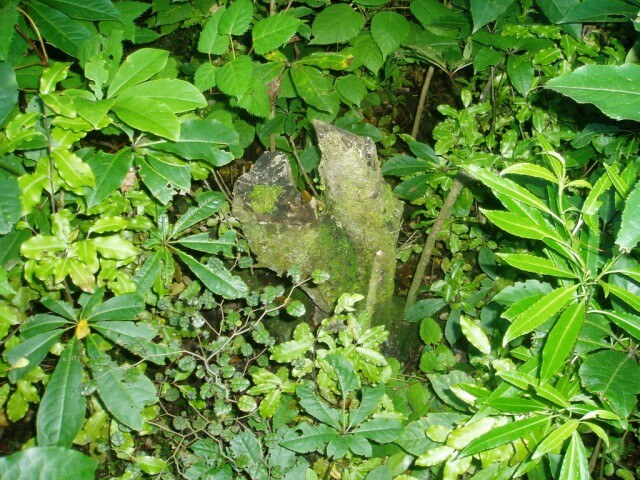
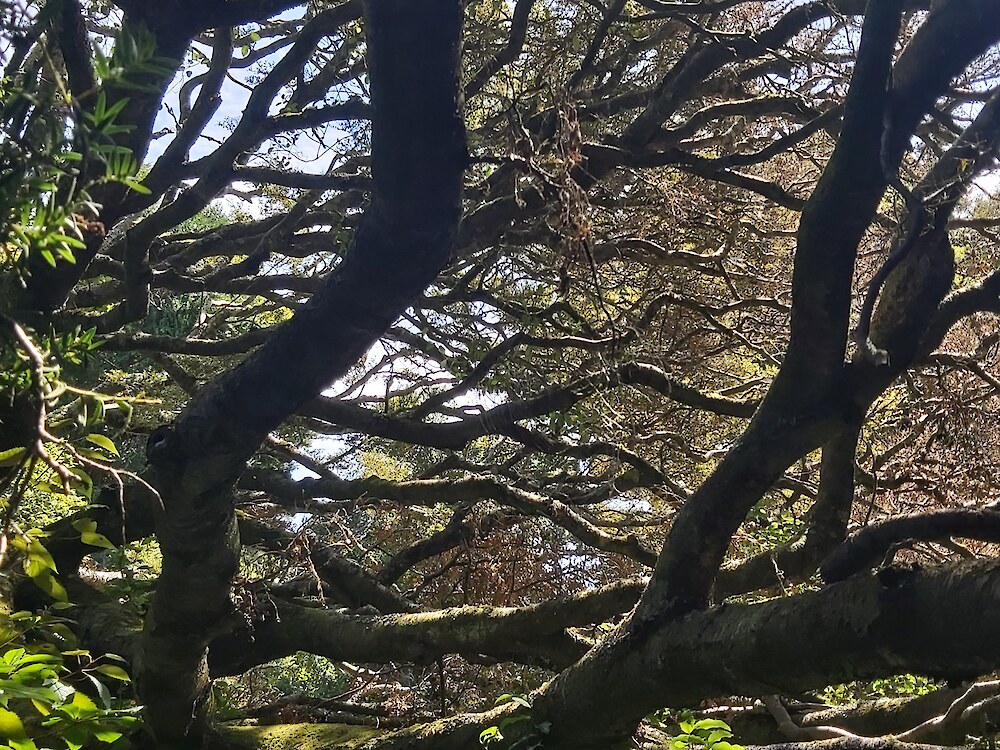
One of a few beech trees found here are an unusual feature of this forest remnant.
Project Directory

Other projects in Eastern Southland

  • Beggs Bush Restoration
  • Catlins , Hokonui Runanga
  • Curio Bay Restoration
  • Gore Native Forest Restoration
  • Haumuri (Croydon Bush) – Volunteer Trapping Programme
  • Manuka Mire, Mokotua
  • Te Rere Yellow-eyed Penguin Reserve, Catlins
  • Waikawa Community Nursery
  • Waipapa Point Coastal Restoration Project
  • WLG Gravel Pit, Waituna Wetlands
  • Wyndham Wildlife Refuge

© 2026 • Website by RS

Our Supporters

Invercargill City Council Environment Southland Department of Conservation Forest and Bird Southland Community Nursery
  • Home
  • Project Directory
  • Organisations
  • Events
  • News
  • About
  • Links
  • Contact