SERN Spring Trip – Te Anau Revisited - 16 November 2025
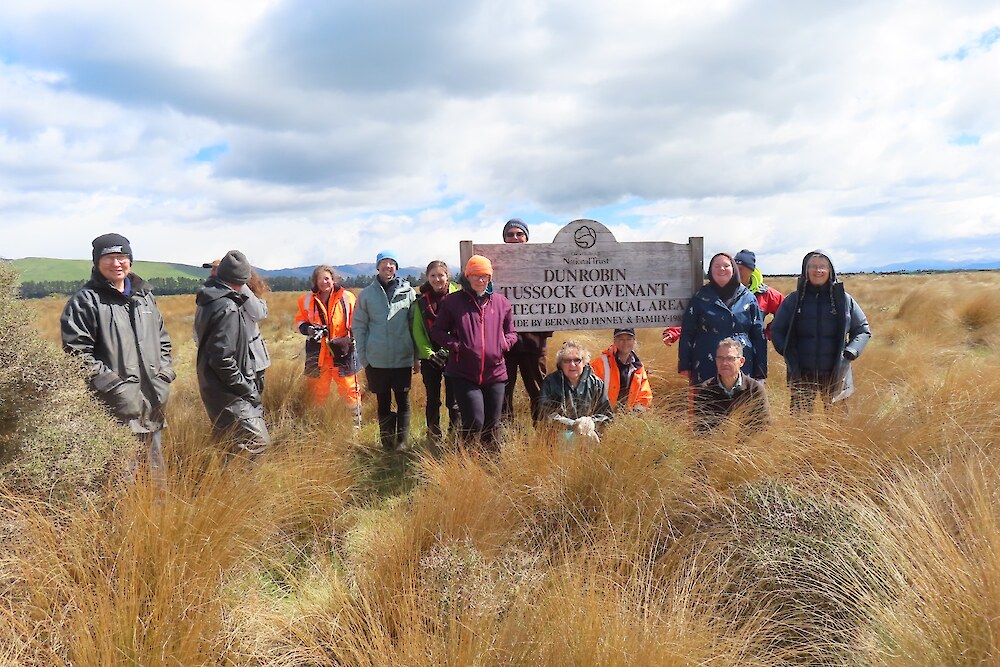
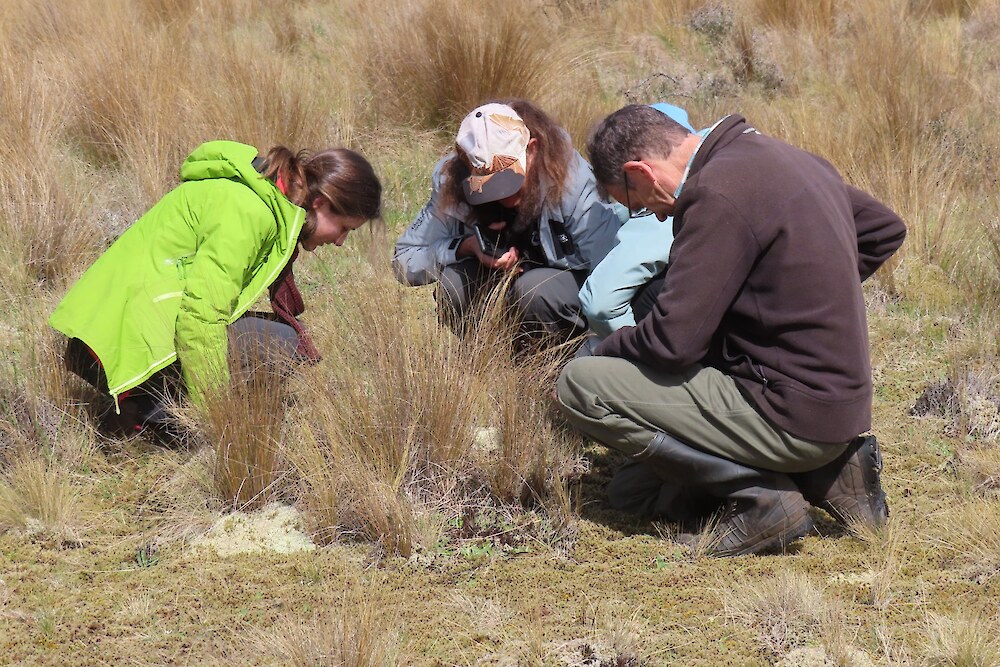
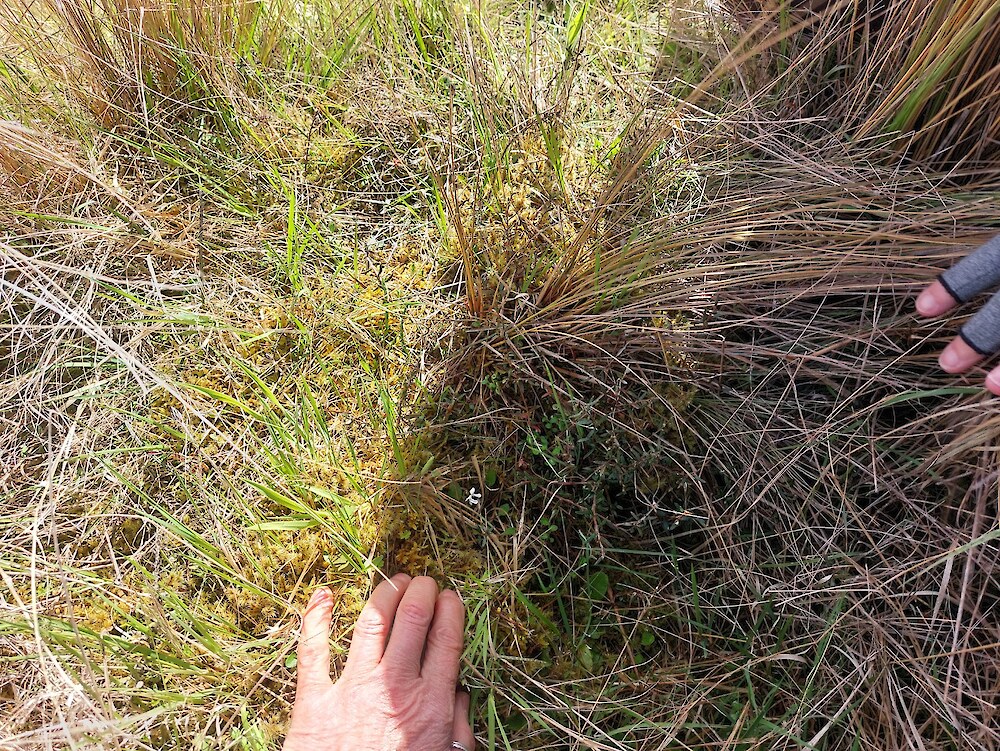
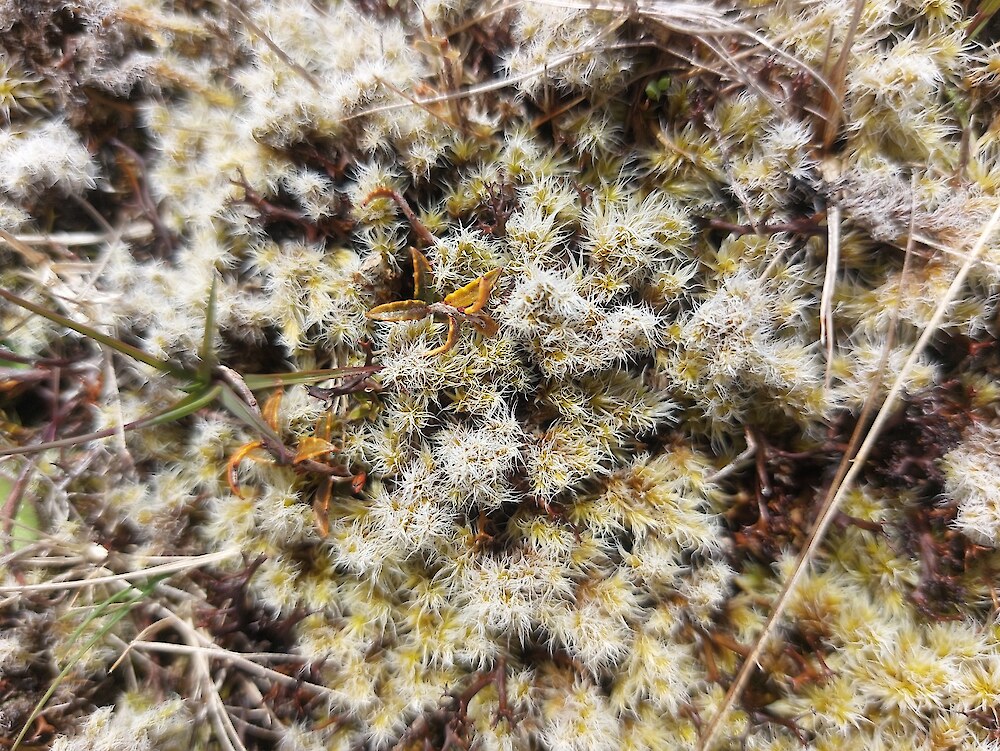
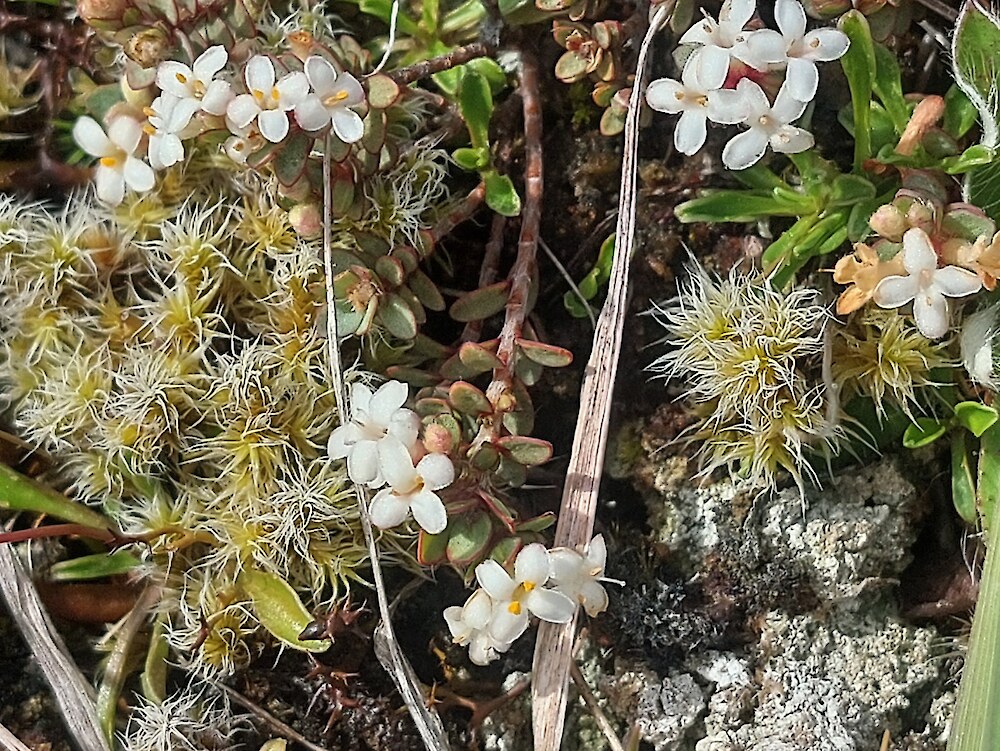
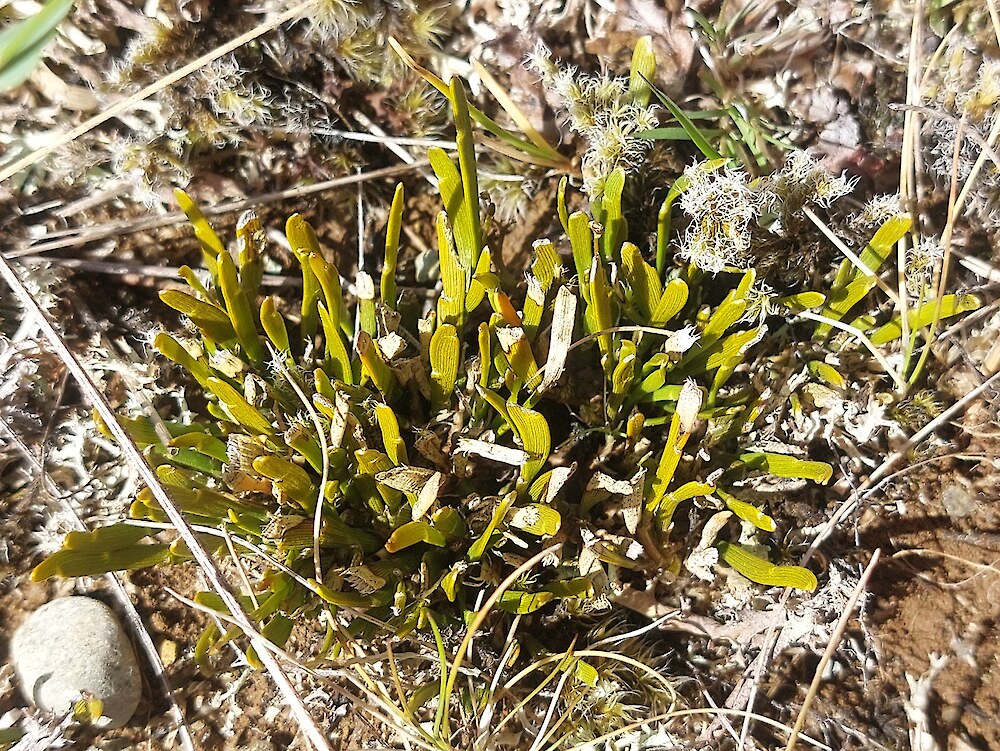
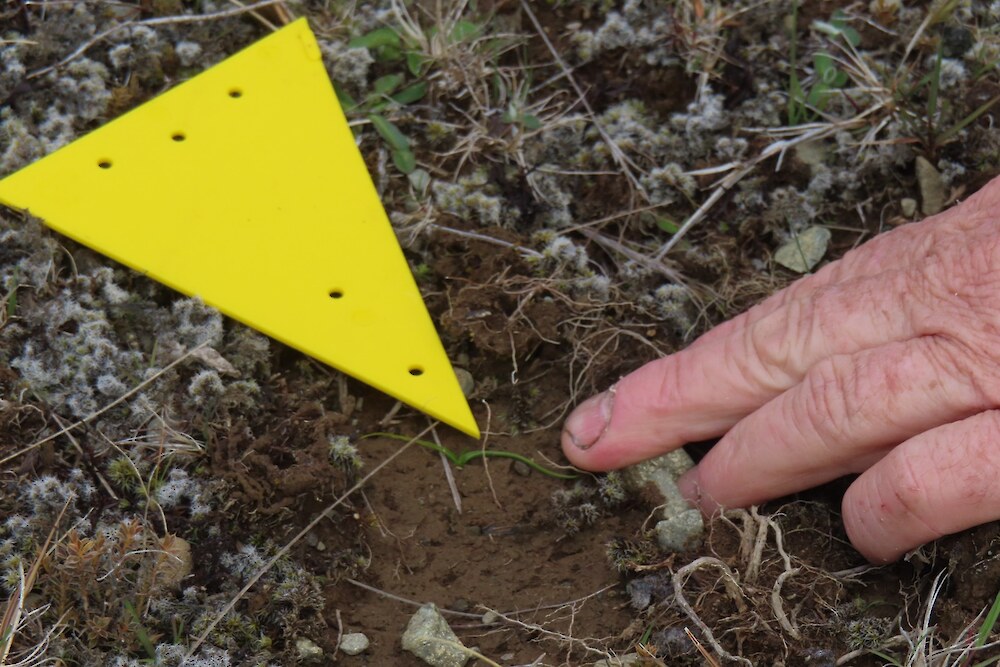
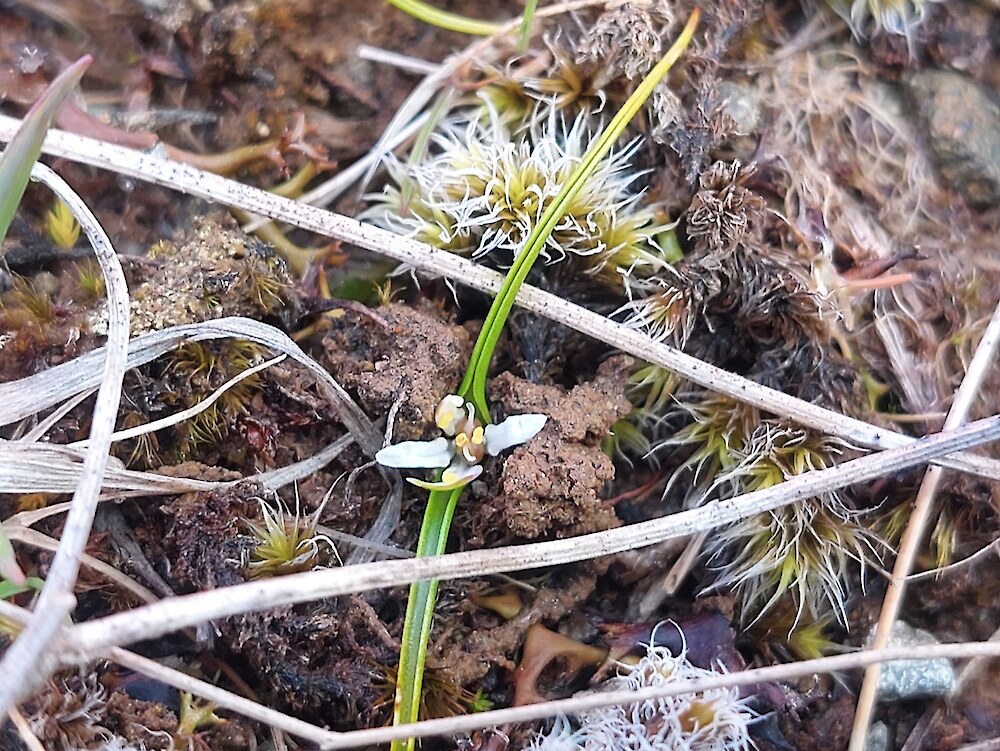
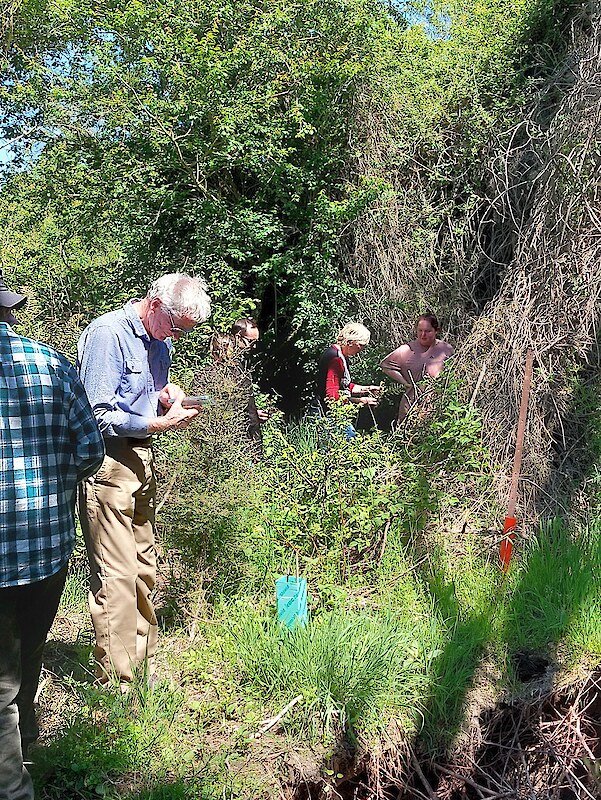
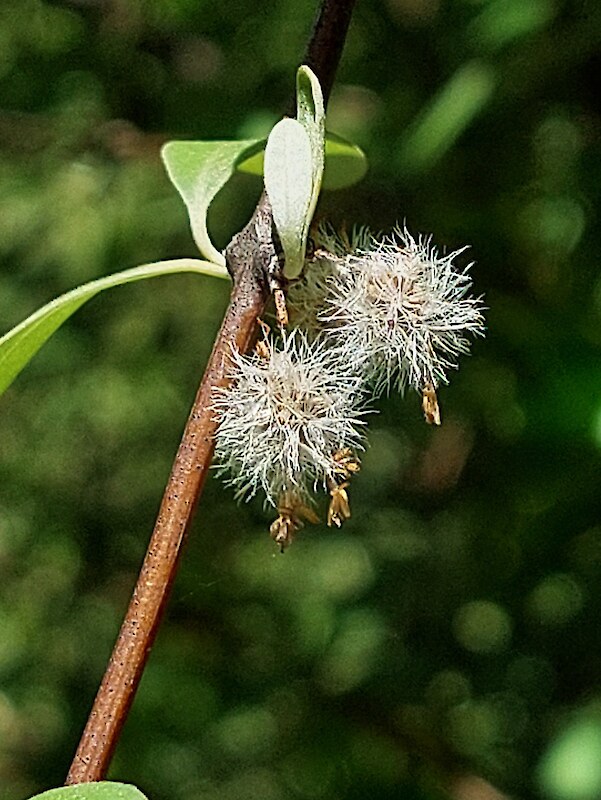
On Saturday 16 November 15 people set off in hail from Invercargill on the annual SERN spring trip. We were heading for Te Anau, but the first stop was Dunrobin QEII Covenant where Jesse Bythell and Brian Rance showed us all the tiny lily flowering (Wurmbea novae-zelandiae)! It’s the smallest lily in the world with the flowering head about the size of a match head. Dunrobin is one of only two sites in Southland where this lily grows. Jesse and Brian then explained the monitoring and management investigations taking place on the site to maintain and hopefully increase the populations of this rare plant.
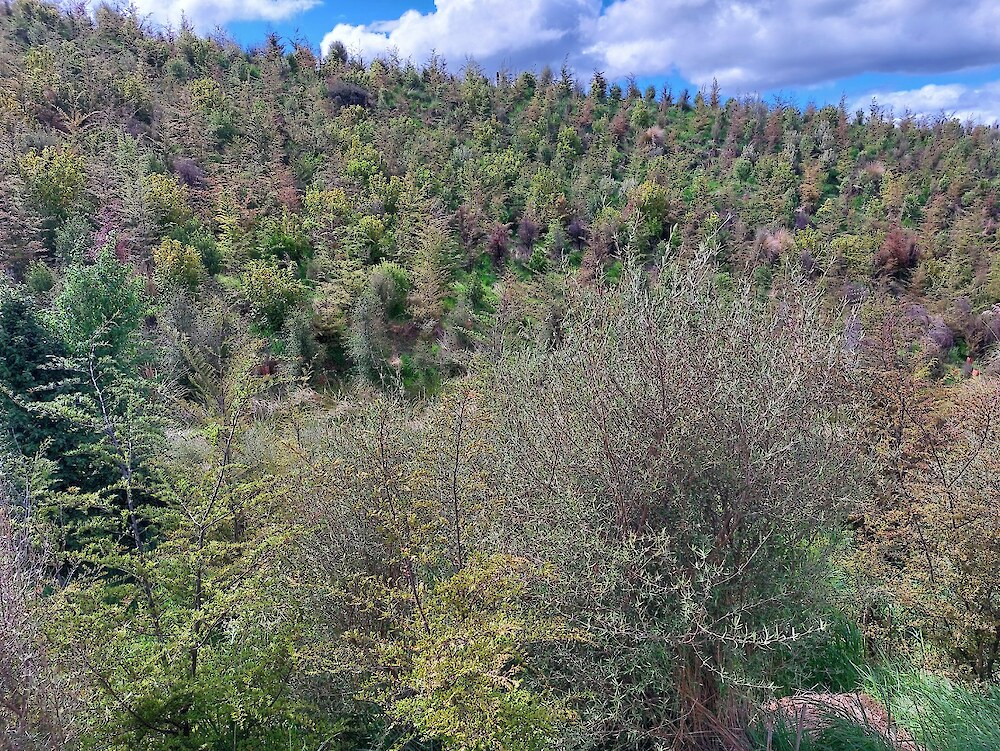
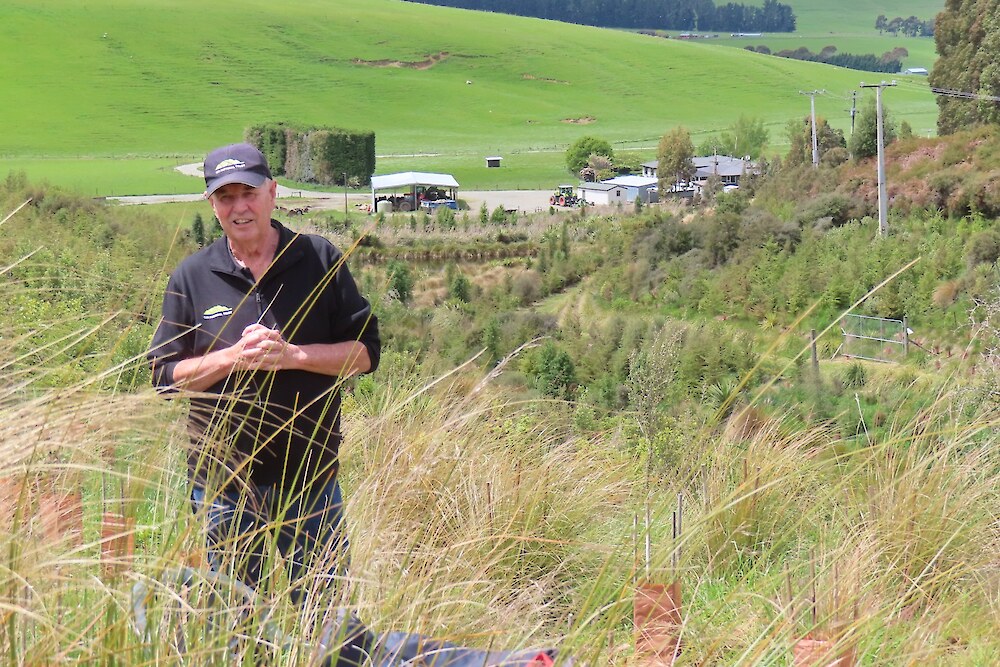
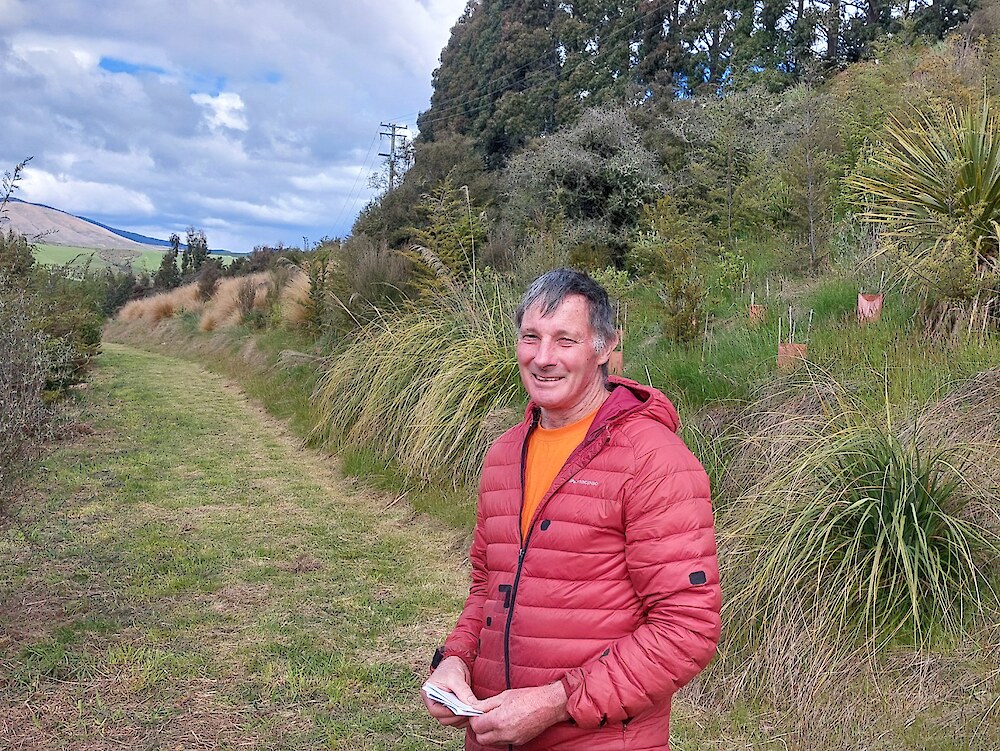
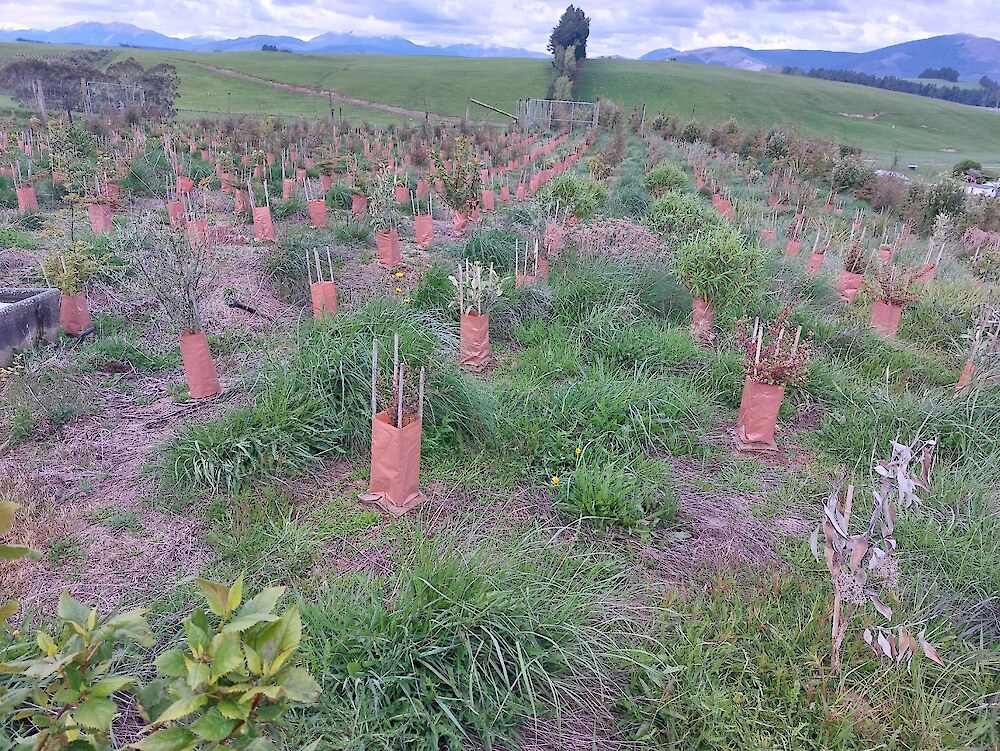
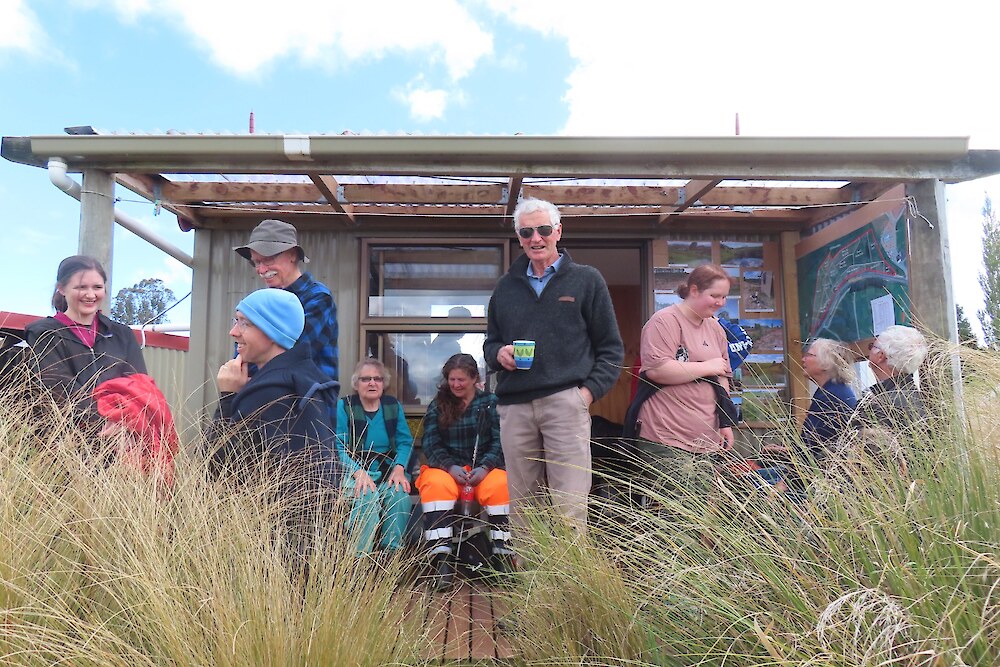
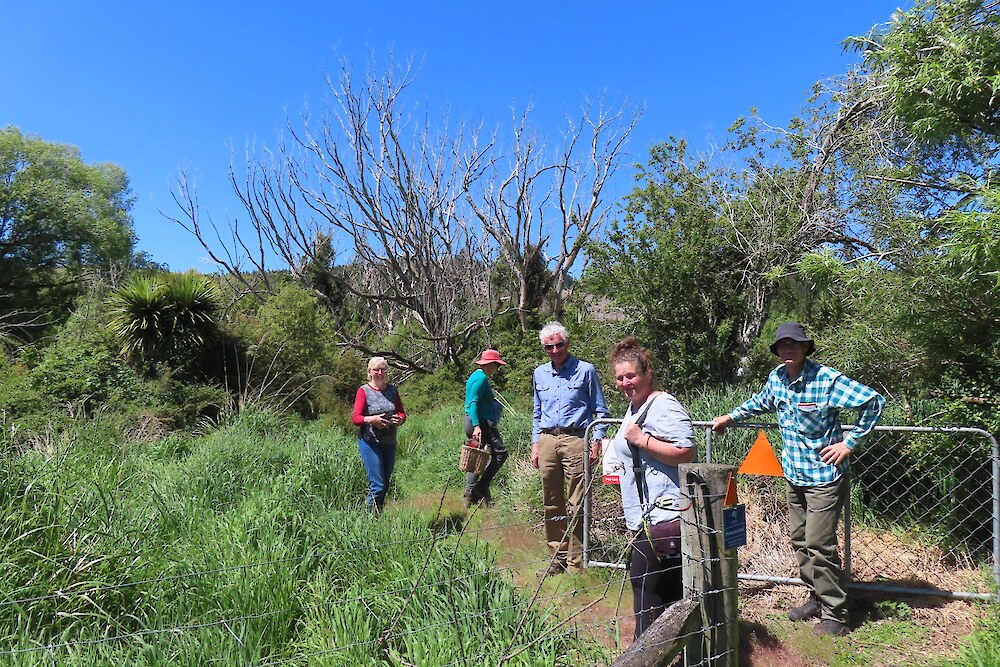
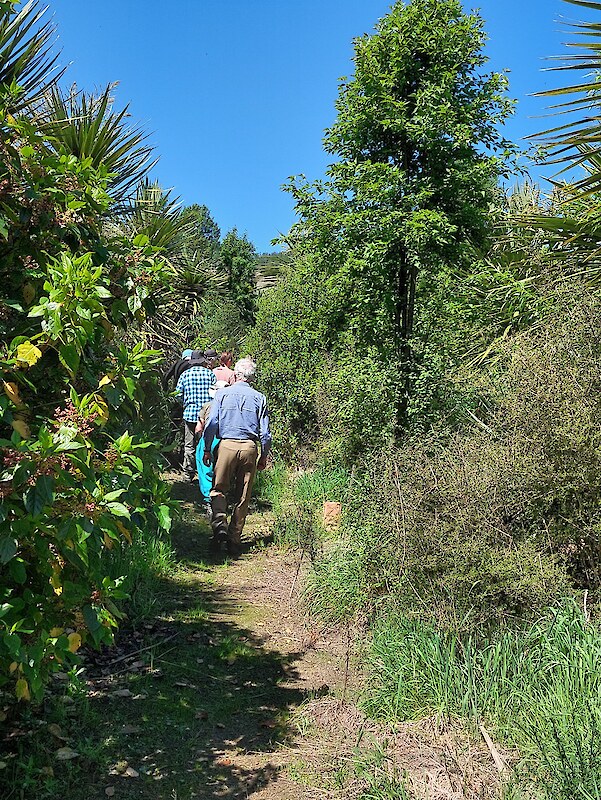
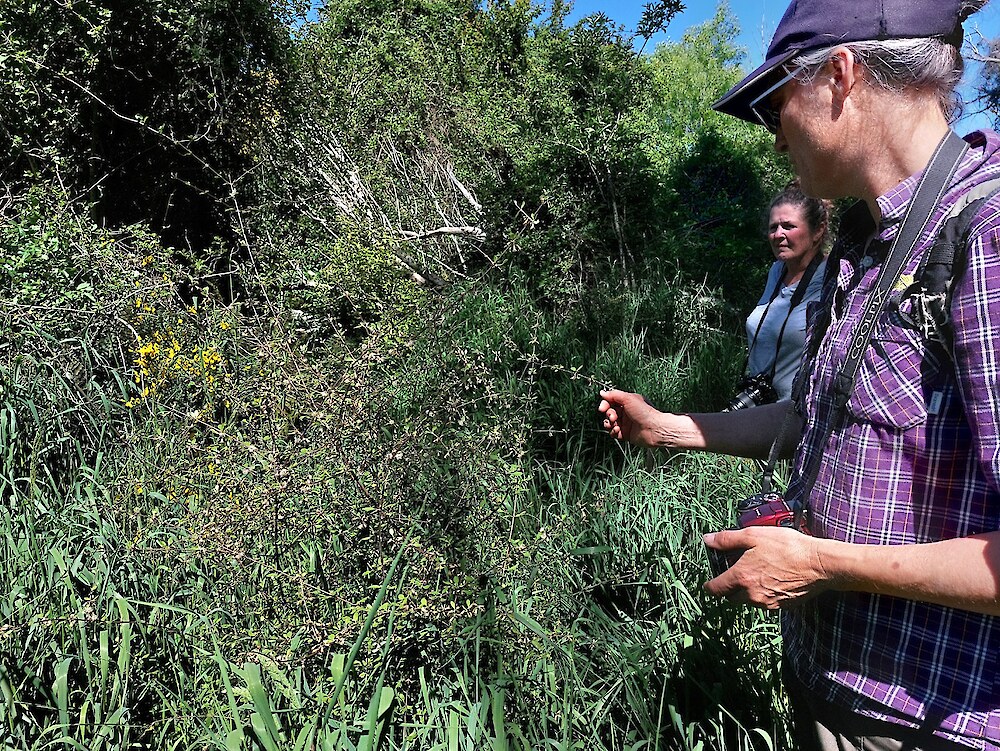
Next stop was lunch at Jenny Campbell’s in Mossburn and then on to Sue and Simon Marwick’s restoration site in Te Anau. One of the new QEII “restoration covenants”. QEII Te Anau Basin Rep., Mark Sutton, described it as a “covenant in waiting”. The site and planting effort over very recent years was extremely impressive with local native plants from beech trees to tussocks planted in the gully running down to a pond at the bottom. The site had been bought by Sue and Simon with the specific intention to restore it back to nature and we all walked through trees over head height in the perfectly managed area. Use of local native species, foundation species, herbicide spray preparation and releasing and combi-guards, had all been employed to make this project a great success. There was also a grove of existing matagouri on the site. The Marwicks, well Simon in particular, had moved and renovated a small hut at the top of the site so we could all enjoy a sit down and afternoon tea provided by QEII while looking enviously down onto the plantings. Mark presented Sue and Simon with an Alan Mark alpine plant book “Above the Treeline” in acknowledgement of their great efforts.
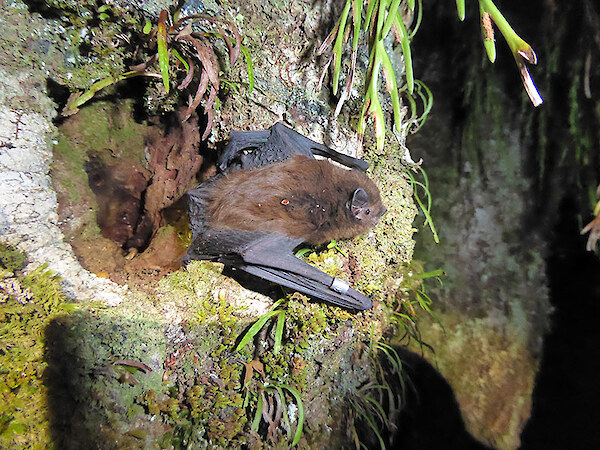
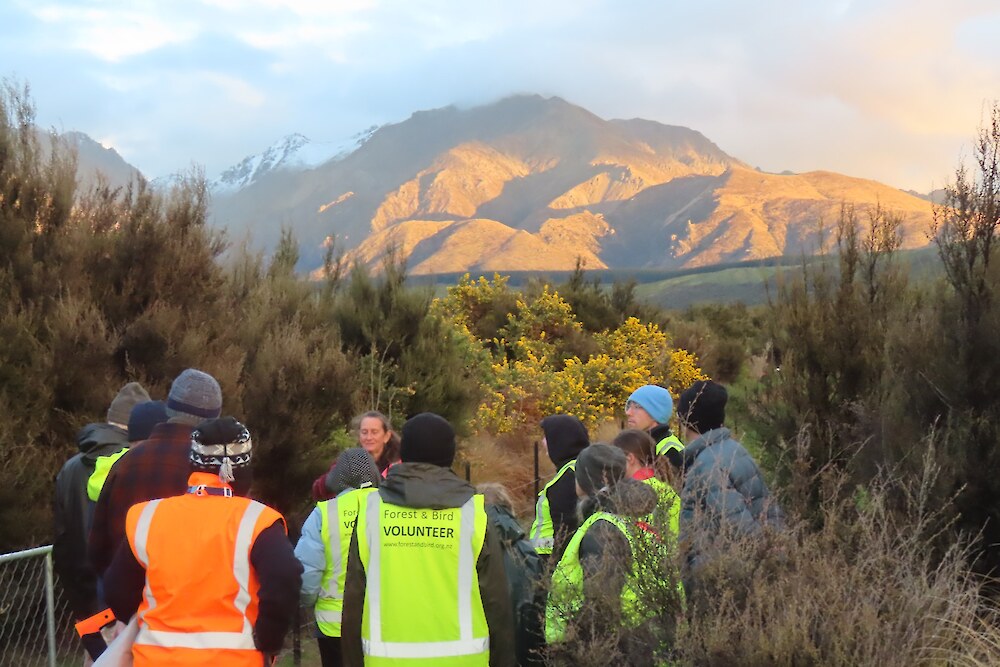
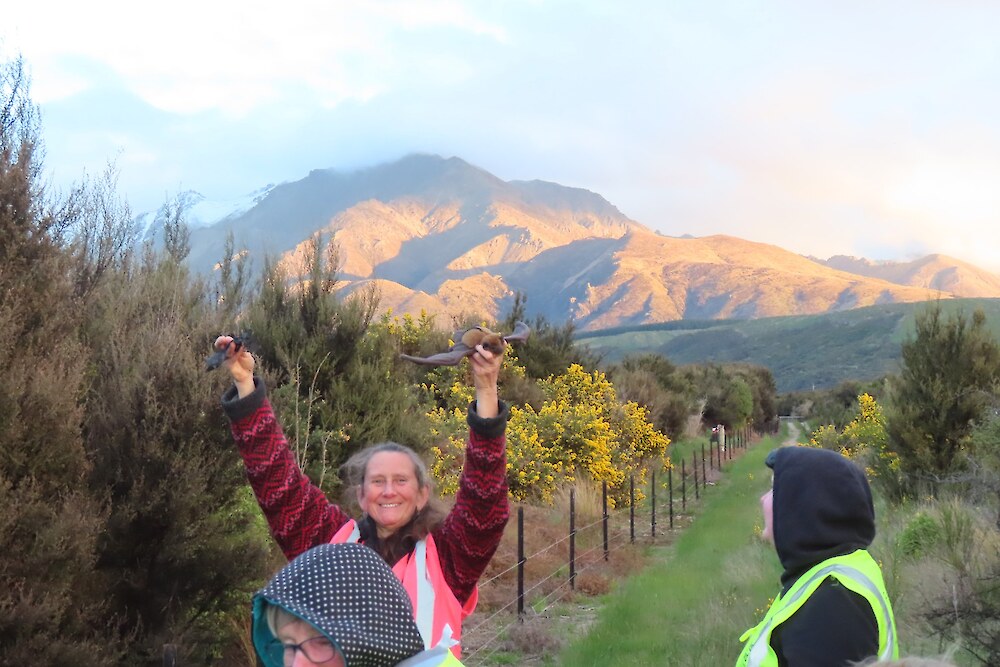
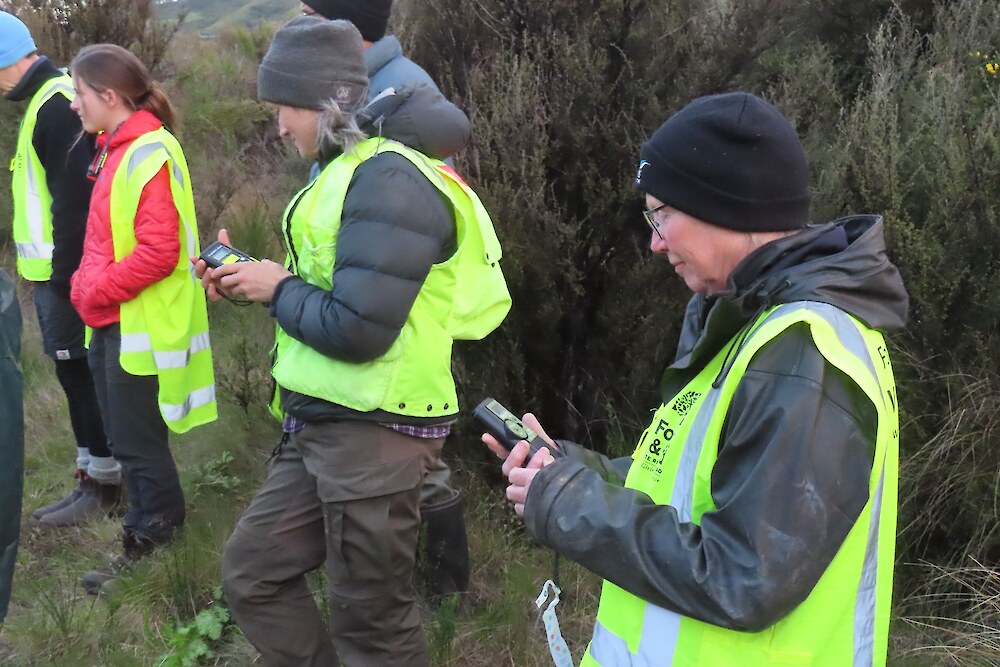
The group then moved on to the Te Kōawa Lodge located at Te Kōawa Tūroa o Takitimu in the Jericho Valley. Our accommodation for the night was in double bunk rooms, with great communal and cooking facilities. It sleeps 20 and is a great place for groups to book and stay – it is managed by Ōraka- Aparima Rūnaka; information at https://www.tewaiaumahikakaitrust.co.nz/lodge and can be booked through [Enable JavaScript to view protected content]. Before dinner the group had a walk around the Matariki plantings and up the valley to the wetlands. At dusk, Catriona led a bat walk down to the river. No bats were heard on this occasion but had been recorded in the previous month.
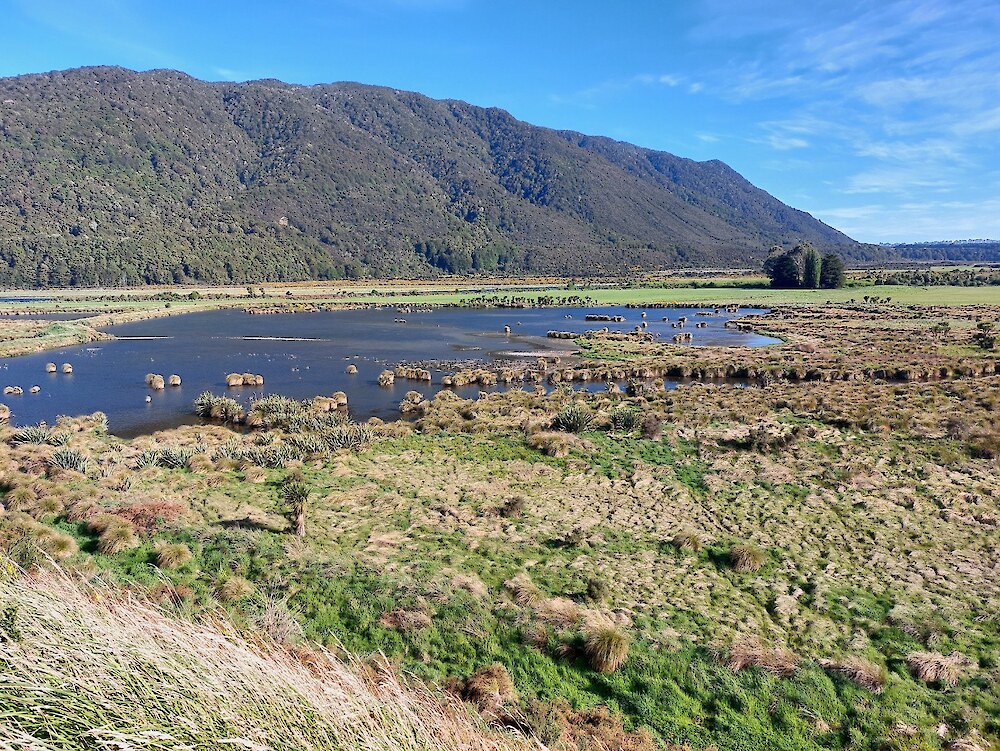
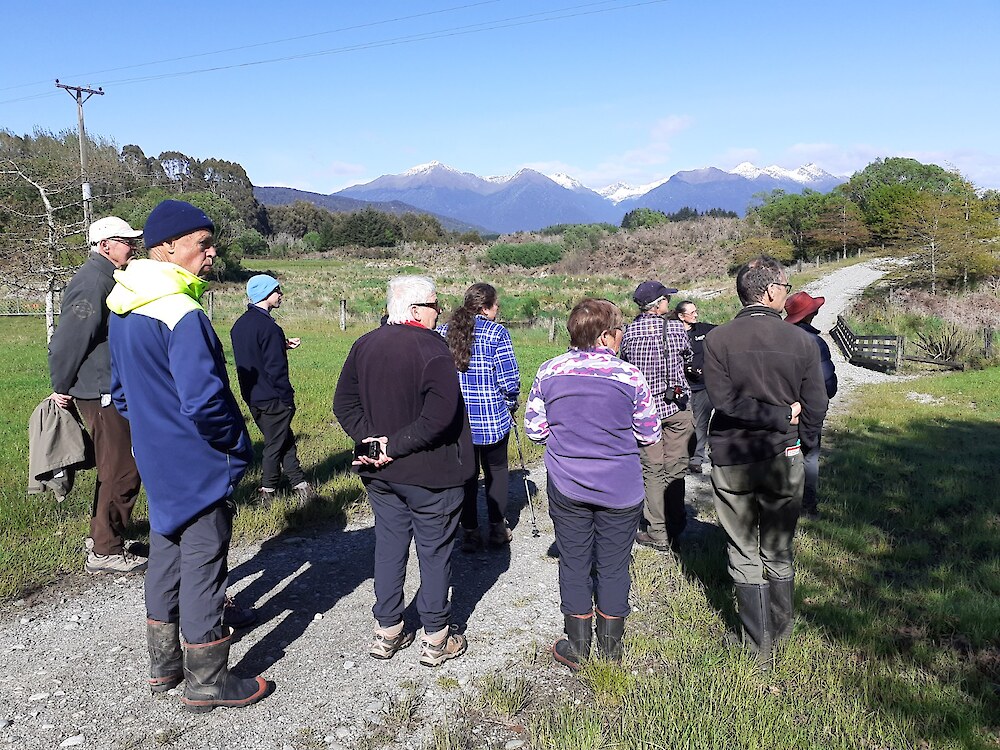
Sunday saw us do the clean-up and out ahead of schedule, so we took the opportunity to visit Rakatu Wetlands, walking up to the viewing hide. Then on to Cam and Wendy MacDonald’s section of Home Creek on Cathedral Peaks Station where Catriona explained the work done to date at this challenging riparian site by many community members especially school groups.
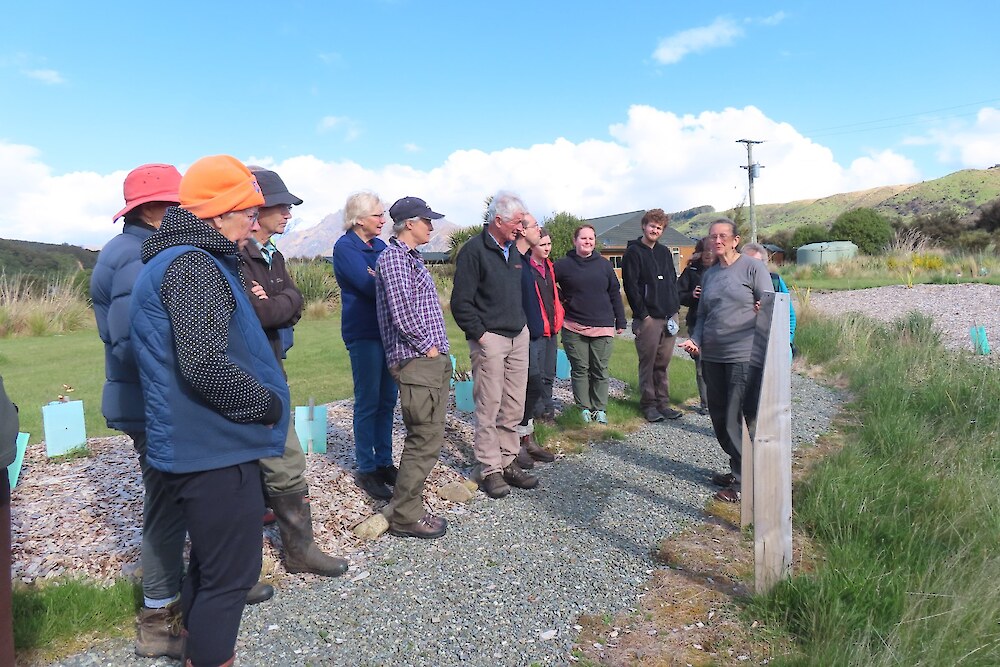
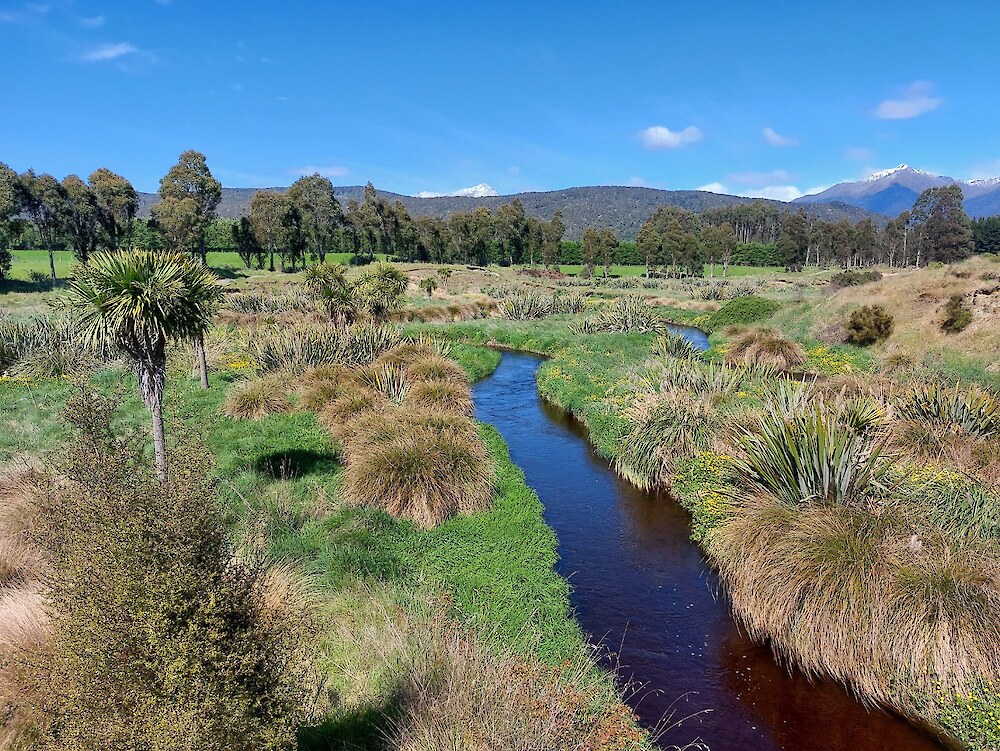
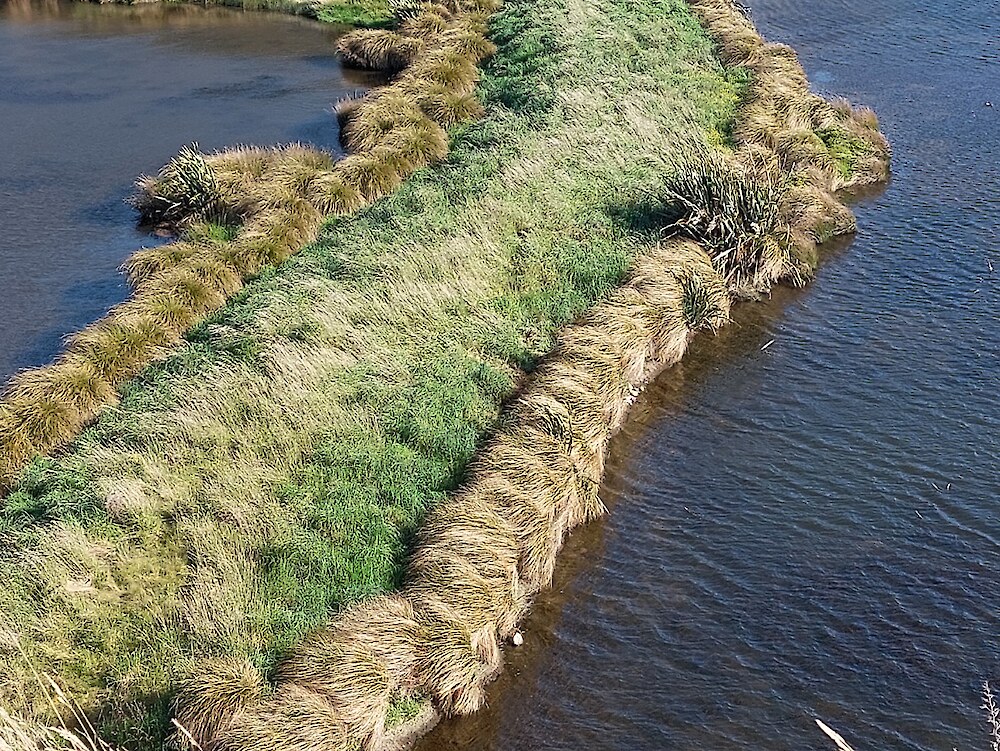
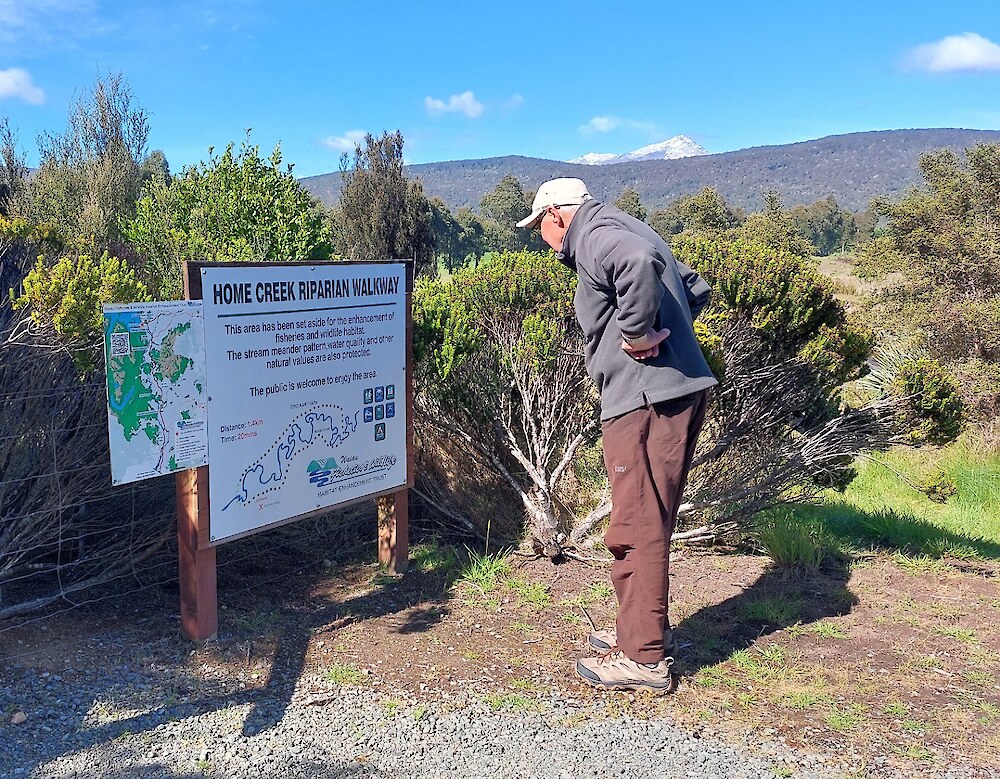
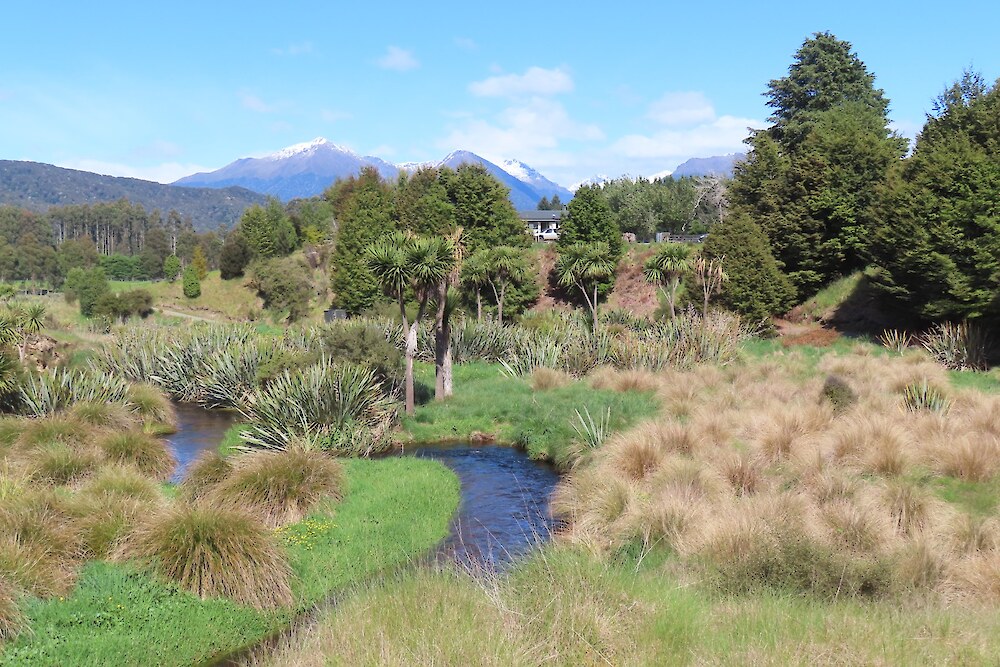
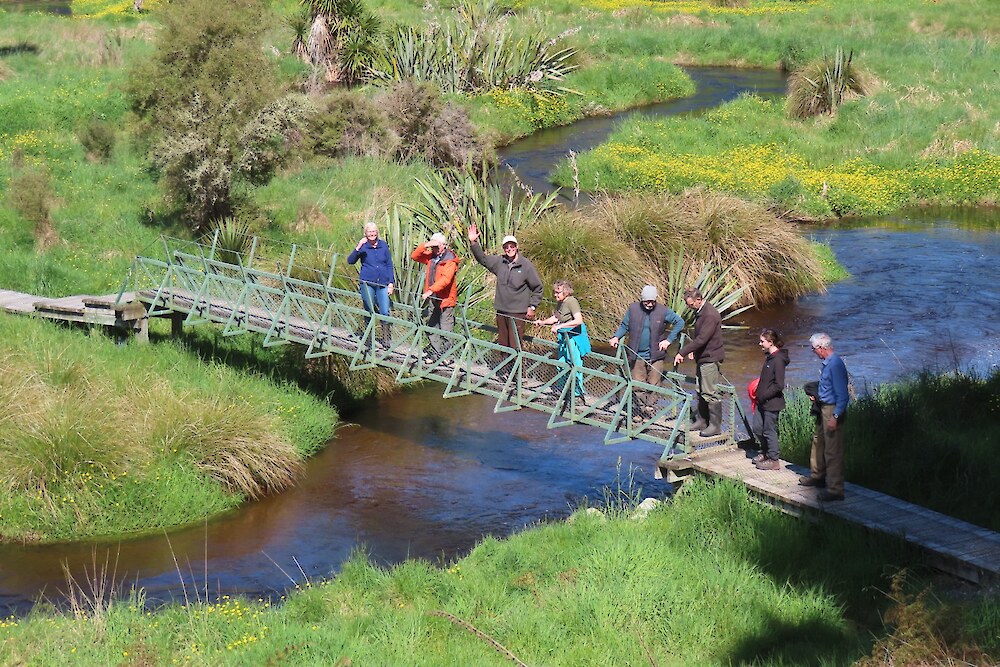
From there to Home Creek Wetland, a Waiau Trust property where Edith Jones has done a lot of planting in the past, with Brian Rance, in Edith’s absence, speaking on the early beginnings of the restoration project. John Whitehead, a trustee on the Waiau Trust board, spoke of more recent plantings undertaken by the Waiau Trust. They have also had NZ Motorhome Association volunteers, whose camp is adjacent to the wetland, undertaking plantings, along with giving a major contribution to the new upstream bridge cost. We all walked the track admiring the clear meandering creek, the well- established earlier plantings (begun over 20 years ago), recently planted areas, the new bridge and stunning snowy mountain views.
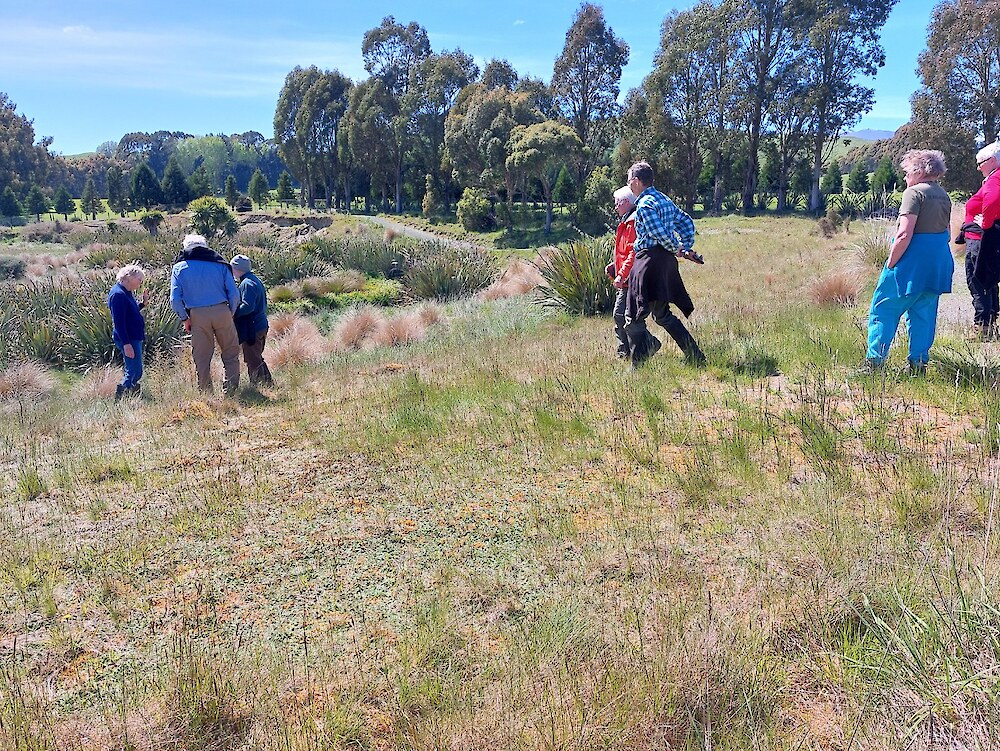
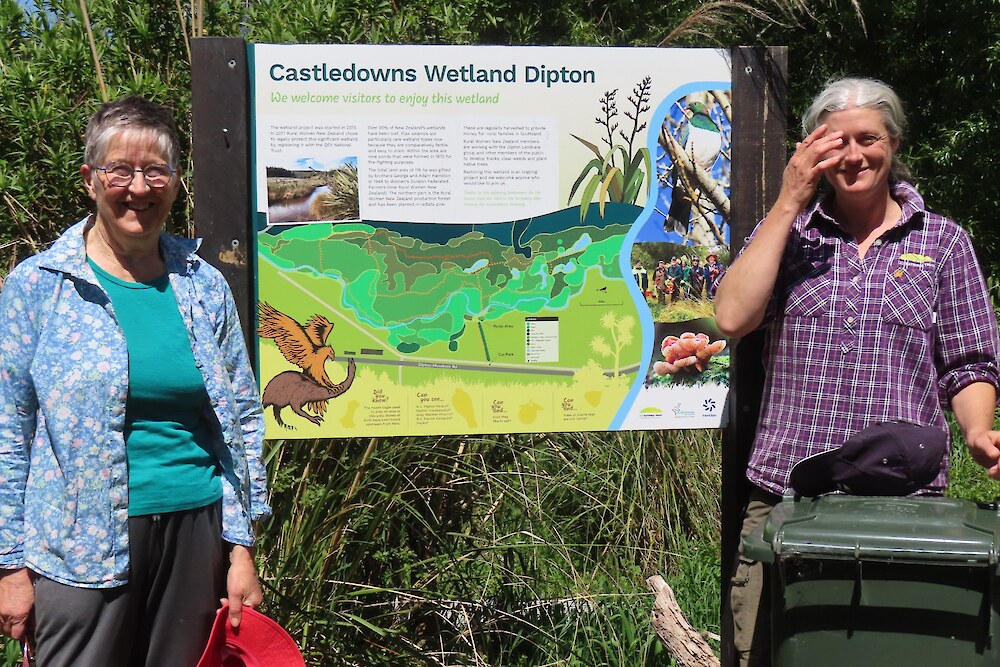
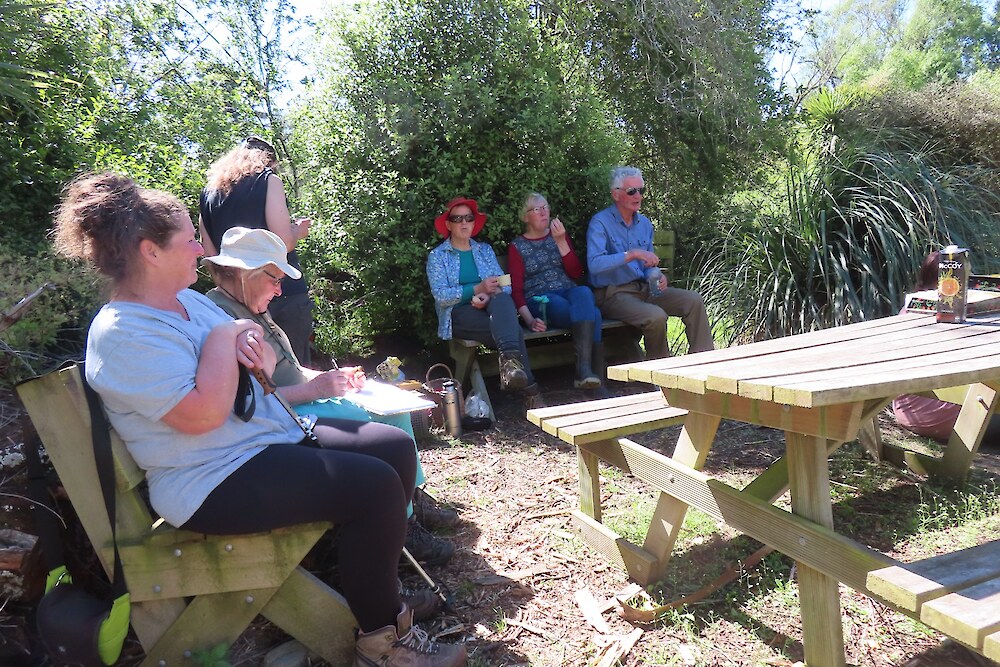
The last but not least stop on the trip was Castledown Wetlands, managed by Rural Women. Ann Irving and Jesse Bythell gave us all a conducted tour of the wetland, over the ingenious bridge, and explained the work done to date and work to be done on willows soon and we had afternoon tea sitting in the sun by the side of the river.
What did we all learn from the trip:
- Learning about a special, rare Southland plant
- Seeing best practice restoration in action
- Learning the importance of kaitiaki succession in starting and continuing projects
- Networking with other groups and experts and learning from them
- Consoling and encouraging each other that sometimes it doesn’t work as well as we would like
- Supporting projects like Te Kōoawa by staying in the accommodation there
- Learning about funding opportunities from organisations like ES, Waiau Trust and QEII
- Learning new skills e.g. listening for bats







Posted on: Tuesday, 25 November 2025